


The Darjeeling Himalayan Railway is synonymous with the development of the Darjeeling hills. Along with the Hill Cart Road it has served as an economic backbone for the myriad trades that have flourished along its route.
Tourism and tea today account for most of the economic activity in the area. The DHR has been both of them from their infancy.
In return, especially in adverse times, the DHR has time and again been sustained by the sheer goodwill of its people, people who live and work in the region, and those whose lives are directly or indirectly linked with the railway. Inseperable and interdependent, bufferless and complementary.

‘World Heritage Status’ from UNESCO, includes documenting of, and evolving strategies for, railway and non-railway properties along the line, plans for the restoration of key features, and improving the ‘environmental envelope’ around the railway.
The World Heritage Convention undertakes to protect the structure in the location that it was built and the criteria for evaluating its heritage status therefore center on the fixed assets of a site only.
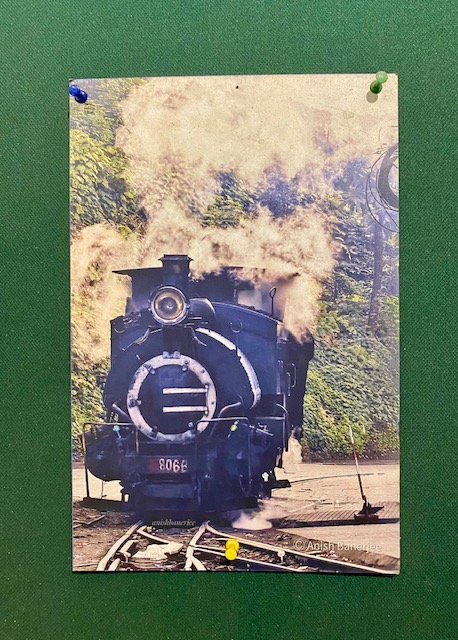
This includes only the permanent way and building of the DHR. It is the locomotives and the coaches that give it life and it is only through these that the DHR achieves its status of a railway that is “still fully operational and retains most of its features intact..”

There have been many famous travellers on the railway. One of the first was Mark Twain, in 1897, seen here in a dandy, which he referred to as a cab substitute.
Source: The information gathered from the site.


Leave A Reply